
Case Study: Craft, Consistency, and Trust
How documenting real craftsmanship led to six- and seven-figure organic reach
Inside a working factory, the rhythm never really changes.
Hands repeat the same motions they’ve practiced for years. Needles move with muscle memory. Machines hum at a steady pace, their sound more functional than dramatic. Materials pass from station to station, shaped not by spectacle, but by attention.
There is something grounding about watching real work happen. Something trustworthy. Calm. Focused.
That feeling is difficult to explain in words.
Now imagine it conveyed through video.
People don’t want to be sold. They want to be shown.
The Challenge
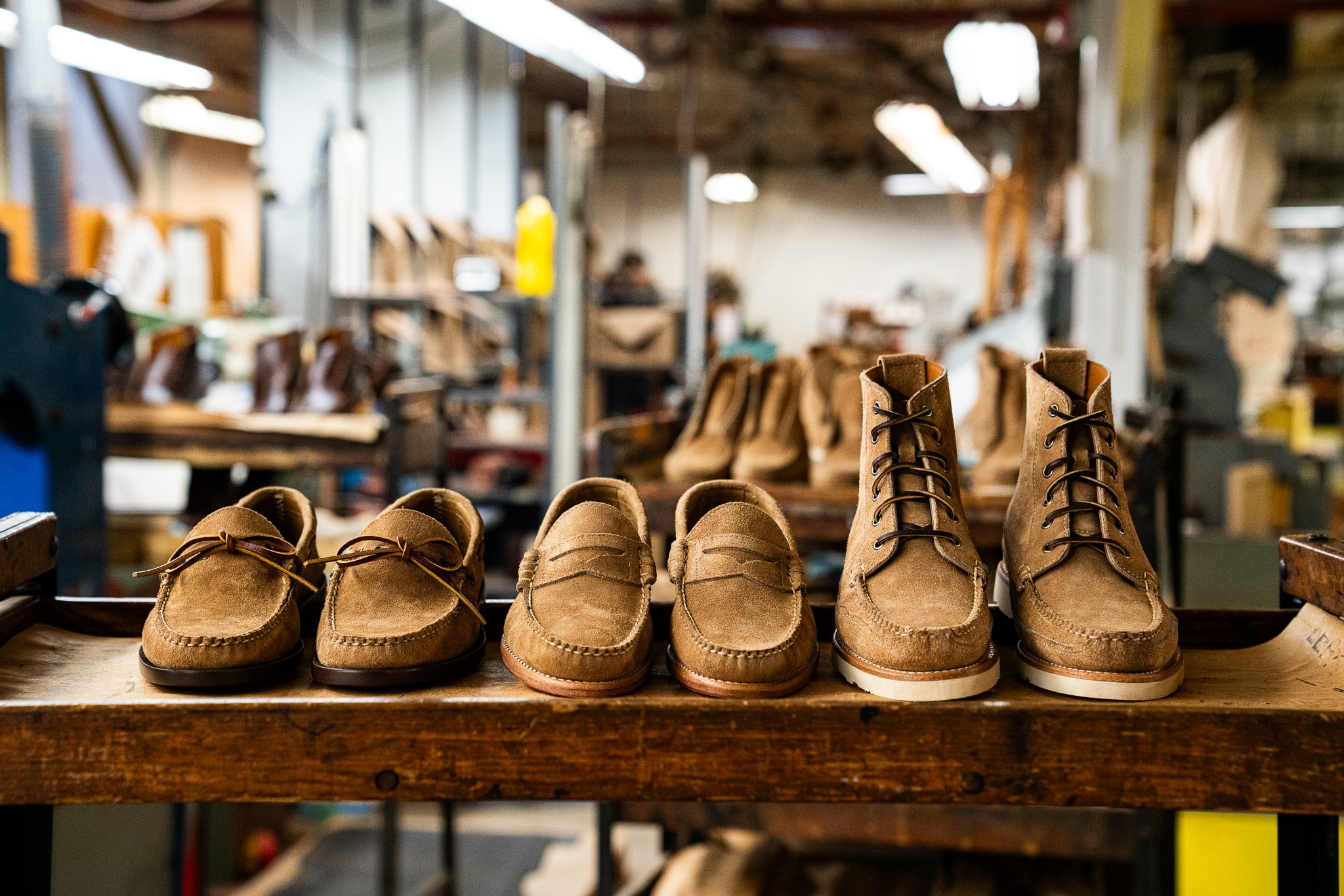
Rancourt & Co. is an American shoemaker known for its commitment to quality, heritage, and hand-crafted production. The product was never the issue. The process was exceptional.
The challenge was translating that process into short-form content without turning it into an advertisement.
In a digital landscape dominated by trends, quick cuts, and polished campaigns, craftsmanship often gets lost. Traditional marketing approaches tend to focus on the finished product, pricing, or promotions — rarely on the work itself.
The question was simple:
How do you show real craftsmanship in a way that holds attention, builds trust, and scales organically?

The Insight
The answer wasn’t novelty. It was recognition.
The most compelling part of the story wasn’t the shoe. It was the repetition. The process. The familiarity of skilled hands doing meaningful work.
Rather than chasing viral trends, the strategy focused on something more durable: consistent substance.
Viewers didn’t need to be surprised by the format. They needed to recognize it. The discovery came not from gimmicks, but from realizing how much care still exists behind the product.
The process stayed the same. The product changed.
The Approach
The content strategy was intentionally constrained.
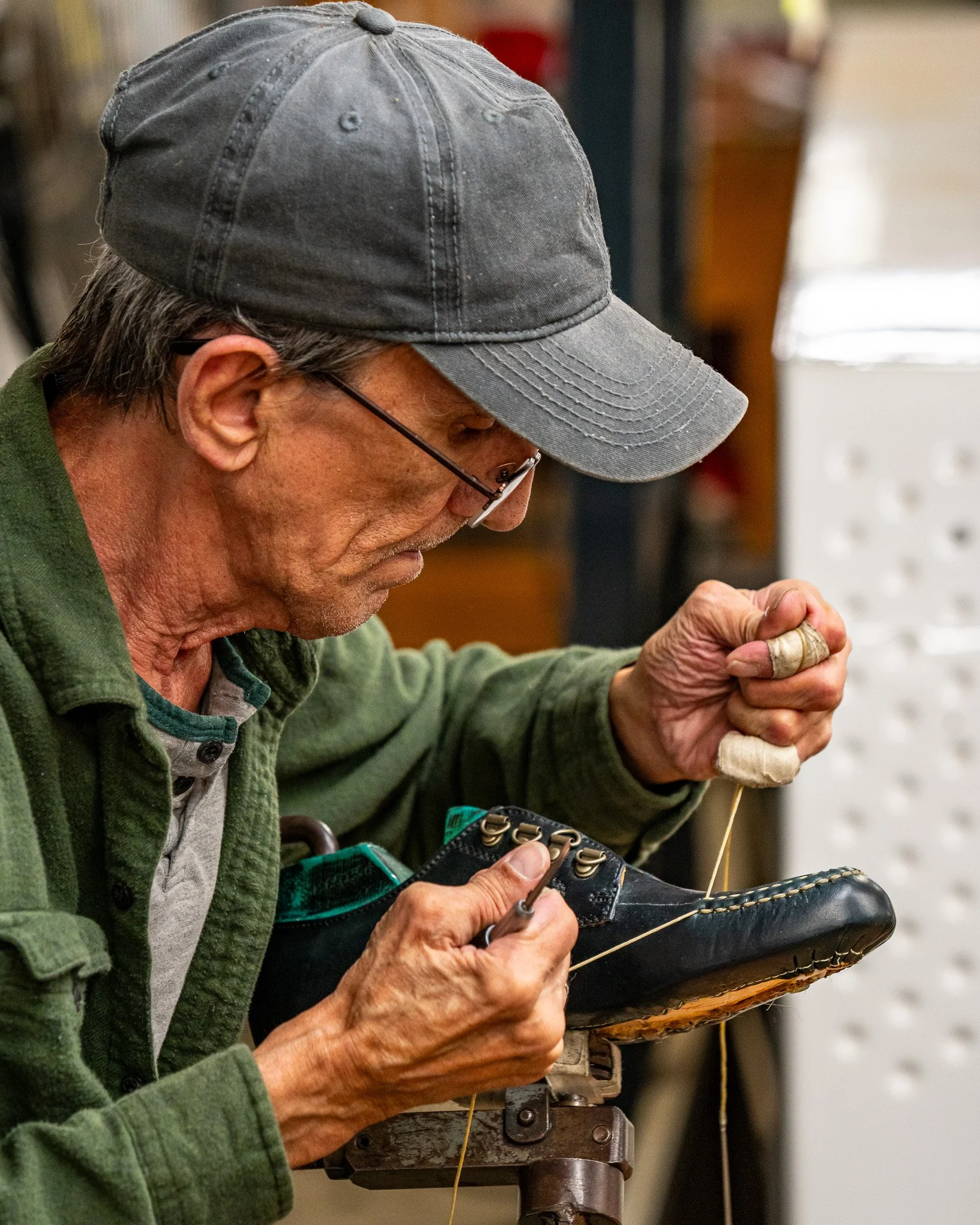
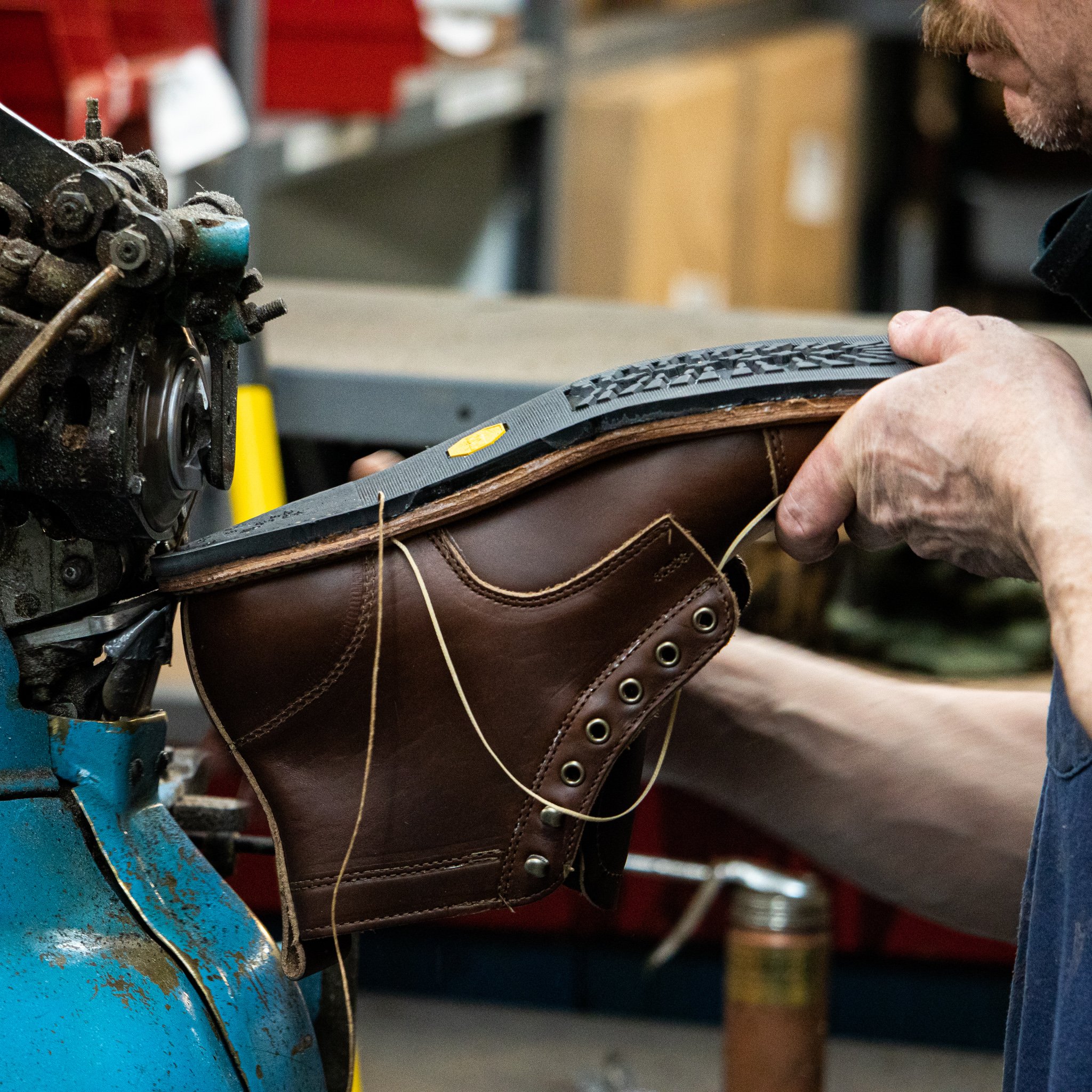
Each video documented real production, as it happened, inside the factory. The same process appeared again and again — but with different styles, materials, and subtle changes in execution.
The approach focused on:
Real workers in a real environment
Filming during actual production
Process over finished product
Repetition of similar shots across multiple videos
Different styles moving through the same construction steps
Vertical, native social video
Raw machine sound as part of the experience
No paid promotion
The sound of the work mattered. Machines weren’t muted. The rhythm wasn’t polished away. The pace was allowed to feel real.
What viewers became familiar with wasn’t a campaign — it was the craft itself.
The Results
Across approximately 22 process-focused videos, performance followed a clear pattern.
Multiple pieces of content reached six-figure view counts organically. Several surpassed 500,000 views. One reached seven figures.
Momentum built quickly after the initial posts. Once the audience recognized what they were watching, they began to stay.
This wasn’t a spike. It was a pattern.
The consistency trained the audience. The audience, in turn, supported the algorithm.
What This Would Have Cost in Ads
Paid social media reach at this scale typically requires tens of thousands of dollars in ad spend.
Reaching 500,000 to 1,000,000 views through paid campaigns often comes with significant media costs before production is even considered.
These results were achieved organically, by documenting real craftsmanship, at an average production cost of much less, and it went to the people that were the most interested in the product.
Organic reach didn’t just perform. It protected budget and compounded trust.
Why It Worked
This approach worked because it respected the audience.
There was no trend chasing. No constant reinvention. No attempt to grab attention at any cost.
When brands chase trends, they often lose identity. Content becomes inconsistent and unrecognizable. The audience never knows what to expect, so they don’t stick around. Attention has to be re-earned every time.
Here, consistency did the opposite. It built familiarity. Recognition. Trust.
Trendy virality fades. Recognizable substance compounds.
The Takeaway
This approach isn’t exclusive to shoemaking.
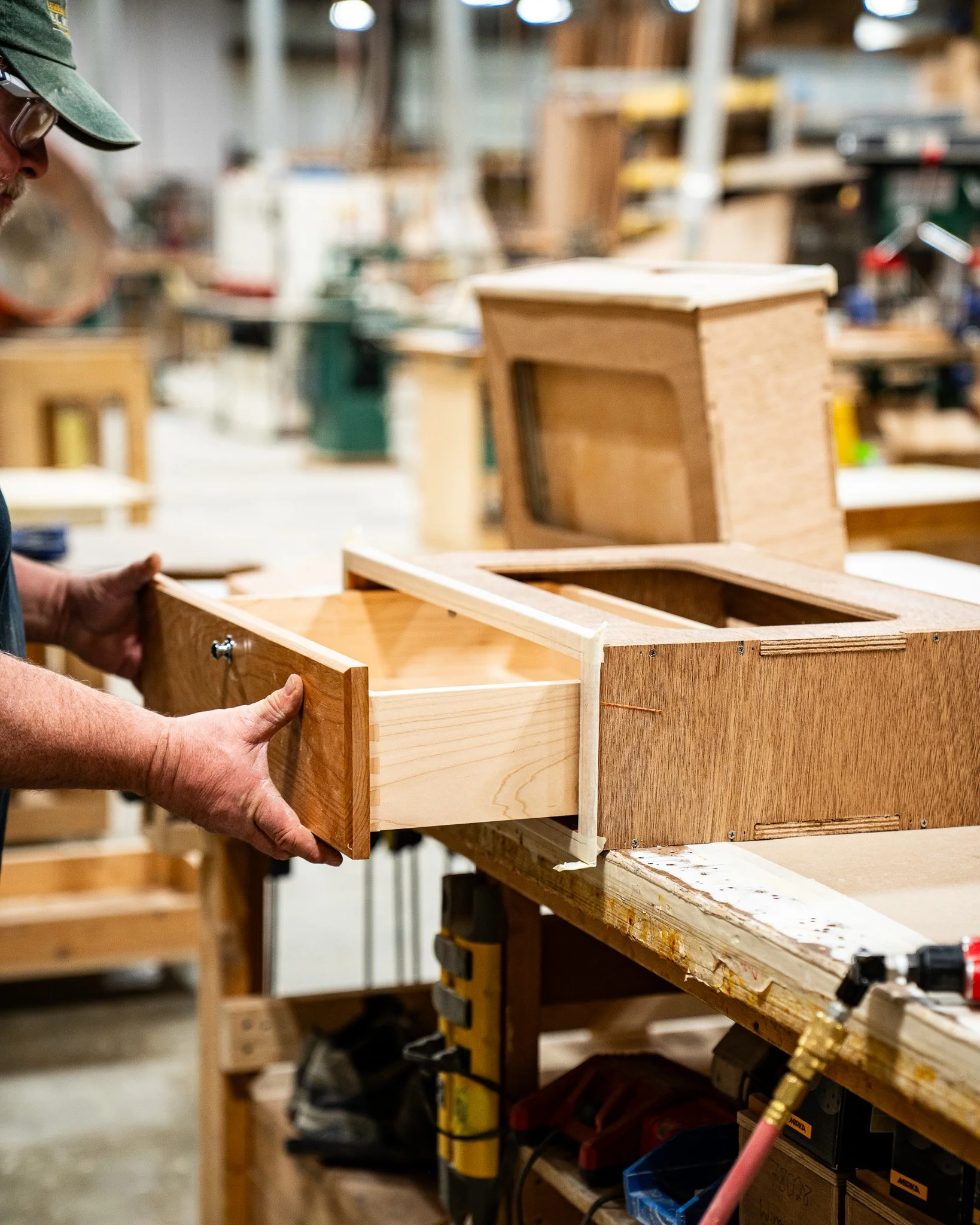
It applies to any brand where craftsmanship is a real pillar — including furniture, boatbuilding, manufacturing, and construction.
If your process is real, it deserves to be shown. Not dressed up. Not rushed. Not turned into an ad.
The most effective marketing doesn’t always come from being louder. It comes from being clearer, more consistent, and more honest.
And with the right partner, it often costs less than you think.